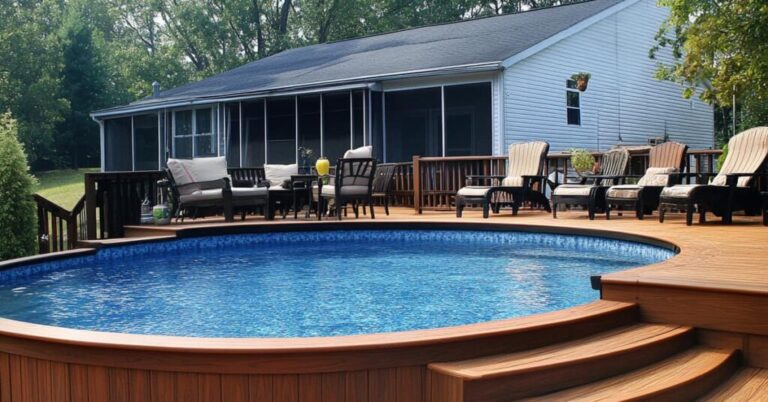
Plunge Pool: Complete Guide, Benefits, and Real-World Examples
A plunge pool is a small, compact swimming pool designed for relaxation, cooling off, and gentle exercise. Unlike traditional swimming pools, plunge pools focus on providing a refreshing experience in a limited space. They are often deeper than standard small pools, allowing users to immerse themselves fully and enjoy the cooling sensation of water.
Plunge pools are becoming increasingly popular in urban homes, resorts, and wellness centers where space is limited but the desire for a private pool experience remains strong. Their versatility makes them suitable for both indoor and outdoor installations, and they can be customized to fit different architectural styles, from modern minimalist to traditional.
Key Features of Plunge Pools
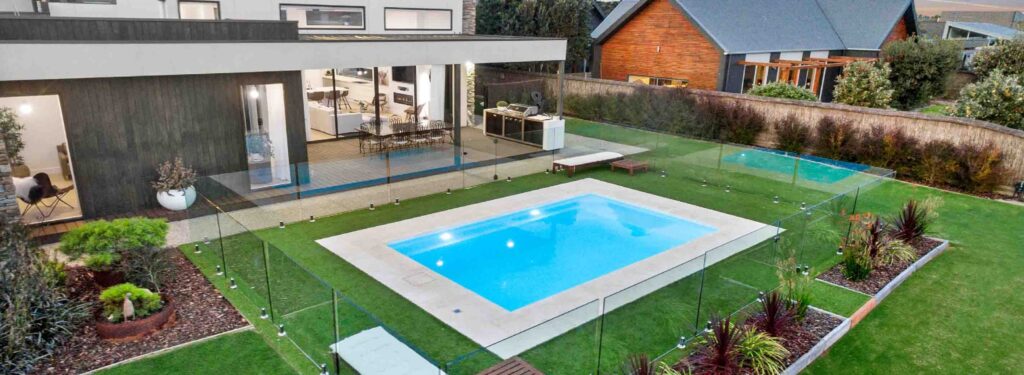
One defining feature of a plunge pool is its size. Typically smaller than conventional pools, they are designed to maximize relaxation rather than accommodate laps or large gatherings. Their depth, however, can range from shallow designs for lounging to deeper variations that allow for therapeutic immersion.
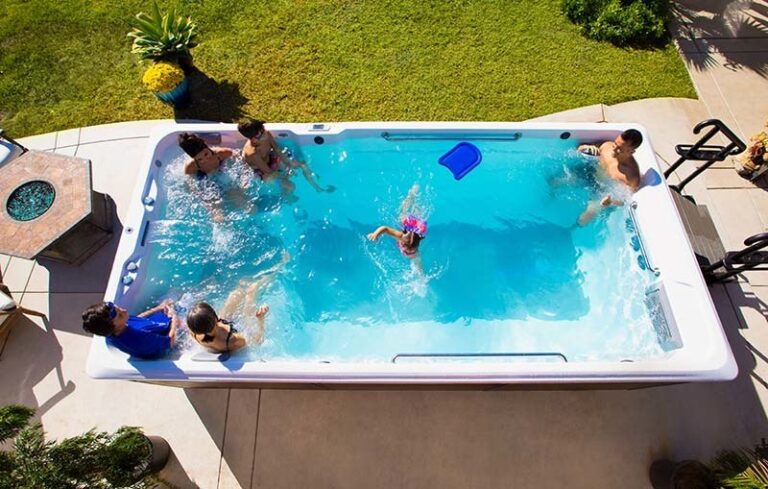
Materials used in plunge pools vary, including fiberglass, concrete, or precast options. Each material offers different benefits in terms of durability, aesthetics, and installation speed. Many modern plunge pools also integrate seating areas, water features, or spa jets, elevating the user experience beyond a simple cool-down dip.
Benefits of Plunge Pools with Modern Technology
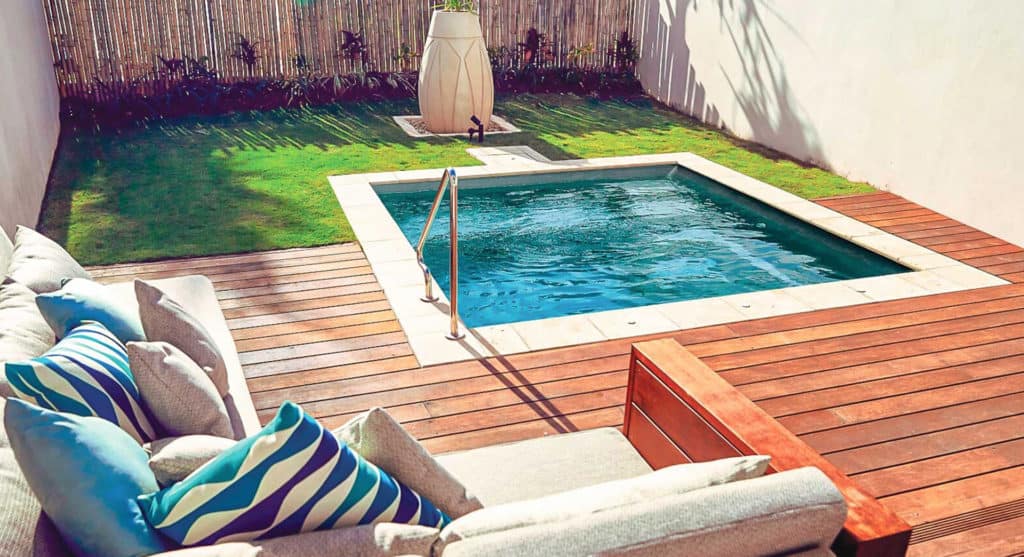
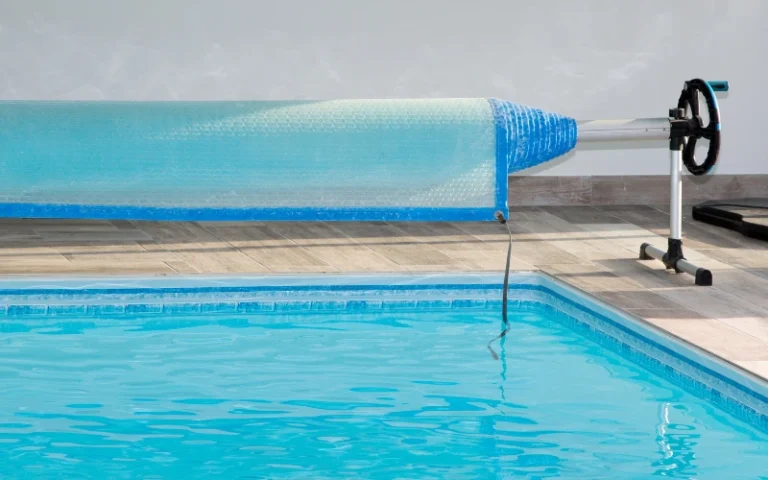
Advancements in pool technology have significantly enhanced the practicality of plunge pools. One major innovation is the integration of energy-efficient heating systems. These allow plunge pools to be enjoyed year-round, even in cooler climates, transforming them from seasonal luxuries to long-term investments in comfort.
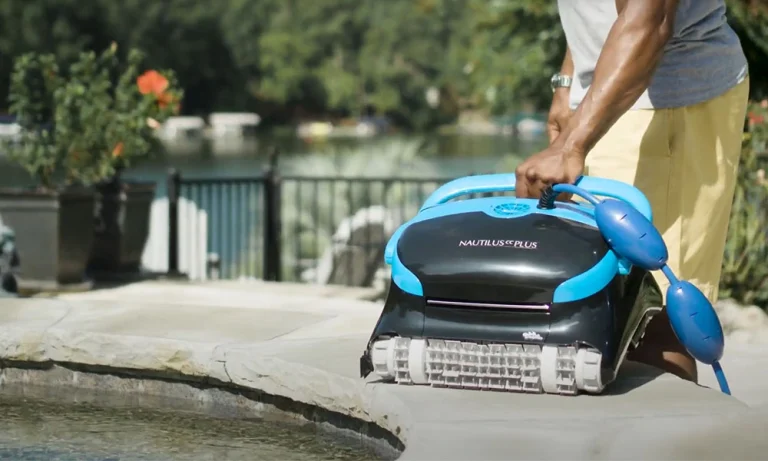
Another technological benefit is automated water management. Smart filtration systems and automated chemical dispensers keep the water clean and balanced with minimal effort. Additionally, LED lighting and integrated spa features such as hydrotherapy jets make plunge pools multifunctional, combining relaxation with wellness benefits.
Real-World Examples of Plunge Pools
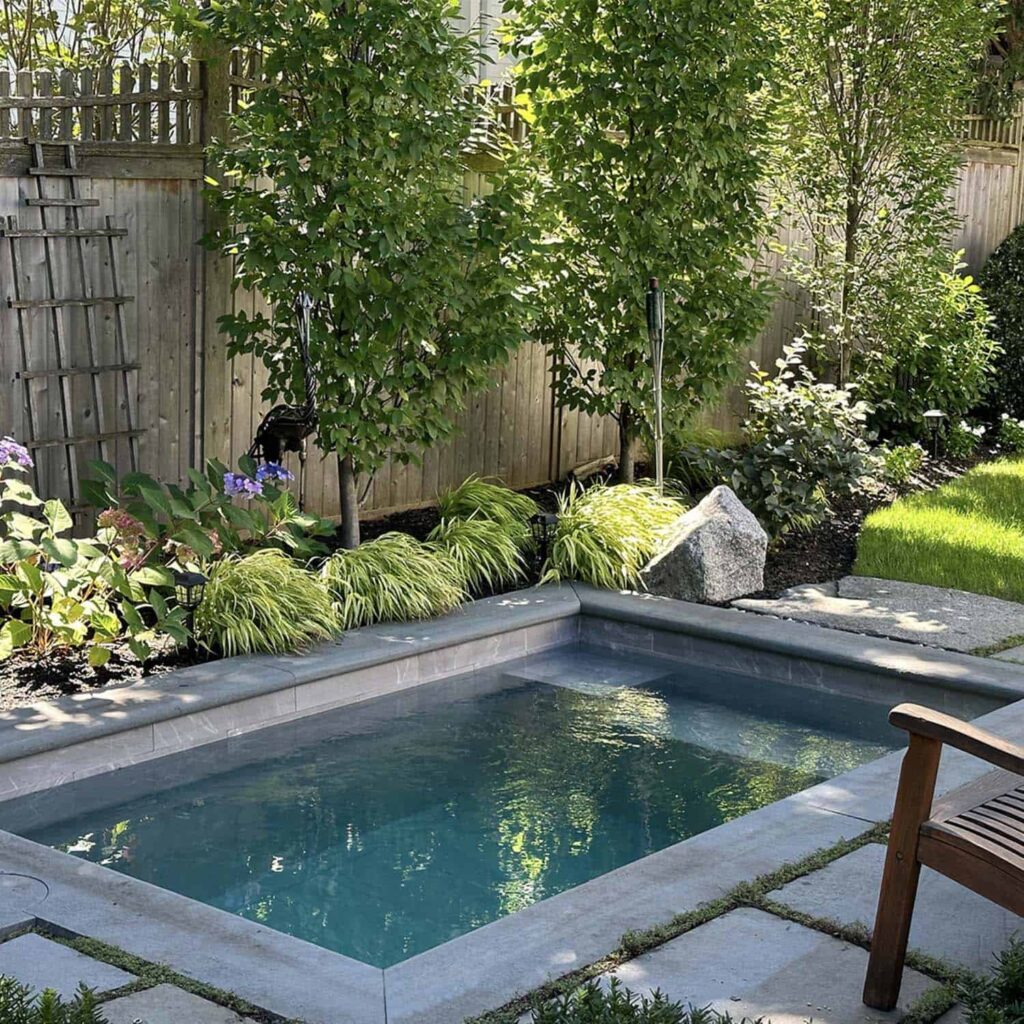
Fiberglass Plunge Pool
Fiberglass plunge pools are popular due to their quick installation and sleek design. These pools are prefabricated, meaning they are delivered in one piece and placed into a prepared space. This reduces construction time and ensures a smooth, non-porous surface that resists algae and makes maintenance easier.
This type of plunge pool is especially suitable for homeowners seeking a durable option with modern aesthetics. They often come with built-in seating, making them ideal for social relaxation or quiet evenings of hydrotherapy.
Concrete Plunge Pool
Concrete plunge pools are highly customizable, offering flexibility in shape, depth, and finishes. They are often chosen by homeowners who want a pool that complements their architectural design or landscaping. Concrete also allows for the integration of luxury features such as infinity edges, tiled interiors, or cascading waterfalls.
The strength of concrete plunge pools ensures longevity, making them a worthwhile investment for long-term use. Their versatility also allows them to be installed in irregular spaces, providing design freedom without compromising functionality.
Precast Plunge Pool
Precast plunge pools are manufactured off-site and delivered ready to install. They strike a balance between the customization of concrete and the convenience of fiberglass. These pools often feature modern finishes and can be installed above ground, semi-inground, or fully inground.
One advantage of precast plunge pools is their minimal disruption to the property during installation. They are also designed to be structurally strong, providing resilience against shifting soil conditions, which makes them ideal for urban or challenging landscapes.
Practical Benefits of Plunge Pools
Plunge pools provide numerous practical advantages for homeowners. Their smaller size makes them more affordable to install and maintain compared to traditional swimming pools. They consume less water, require fewer chemicals, and reduce energy costs, making them an eco-friendly option.
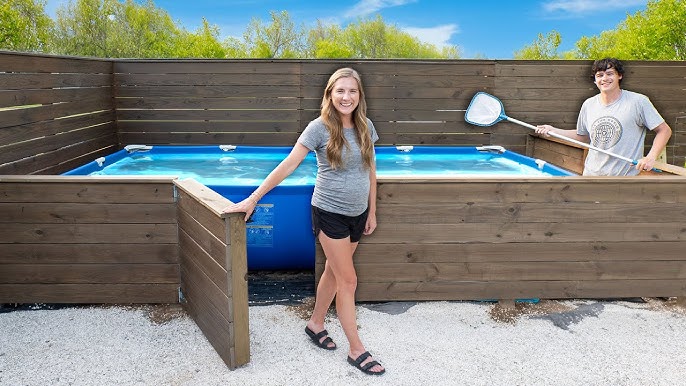
They are also highly adaptable to small spaces. Whether installed in a courtyard, rooftop, or compact backyard, plunge pools add luxury and functionality without overwhelming the space. Their ability to combine aesthetics with practicality makes them a favored choice in modern residential design.
Use Cases of Plunge Pools in Real Life
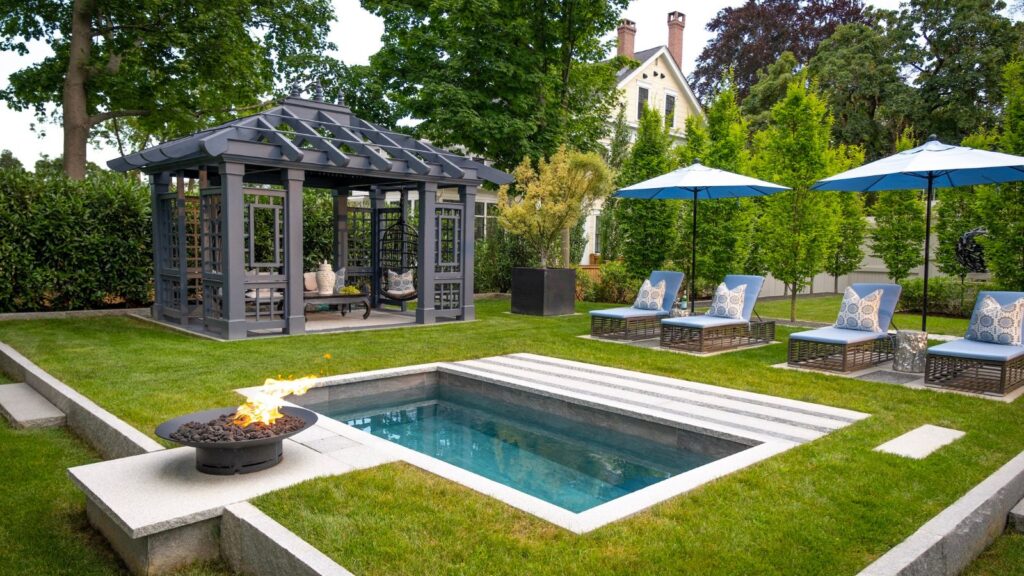
Small Urban Backyards
In densely populated urban areas, space is often the biggest limitation. Plunge pools solve this issue by providing a compact water feature that fits into tight spaces. Homeowners can enjoy the benefits of having a pool without needing expansive land.
Wellness and Hydrotherapy
Plunge pools equipped with spa jets or cold plunge systems are widely used for therapeutic purposes. Athletes often use cold plunge pools to reduce inflammation and speed up recovery, while heated plunge pools provide relaxation and stress relief.
Luxury Aesthetic Enhancement
Plunge pools are also used to elevate the visual appeal of outdoor spaces. Their sleek designs and customizable finishes turn small backyards into stylish retreats, often becoming a centerpiece of modern landscaping.
Frequently Asked Questions
1. How deep is a typical plunge pool?
Plunge pools are usually deeper than standard small pools, with depths ranging from 4 to 7 feet. This depth allows for full immersion, making them ideal for cooling off or hydrotherapy.
2. Can a plunge pool be heated?
Yes, plunge pools can be heated using energy-efficient systems such as heat pumps or solar heaters. This allows homeowners to use them comfortably throughout the year, regardless of the climate.
3. Are plunge pools expensive to maintain?
Compared to traditional pools, plunge pools are significantly cheaper to maintain. Their smaller size reduces water, chemical, and energy usage, making them a cost-effective option in the long run.