Garden Landscaping: Expert Design Ideas, Benefits, and Real-World Inspirations
Garden landscaping is both an art and a science. It involves shaping outdoor spaces through thoughtful design, plant selection, and the integration of structural elements to create environments that are both functional and visually appealing. Unlike simple gardening, which primarily focuses on growing plants, landscaping transforms an entire space into a cohesive and livable extension of the home.
A well-designed garden landscape not only enhances aesthetics but also improves property value, supports environmental sustainability, and provides areas for relaxation, socializing, and recreation. Whether the space is a compact city backyard or a large countryside estate, landscaping can elevate its character and usability.
Key Components of Garden Landscaping
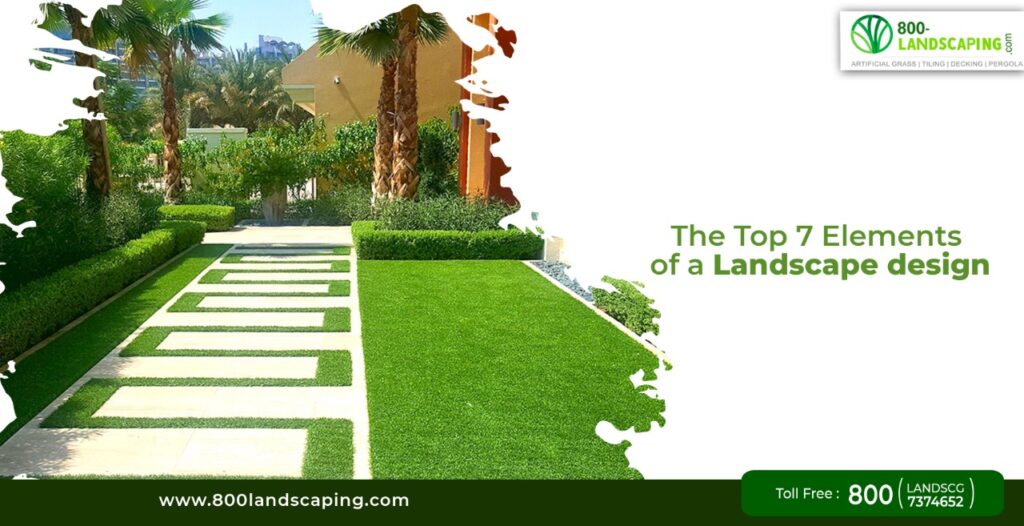
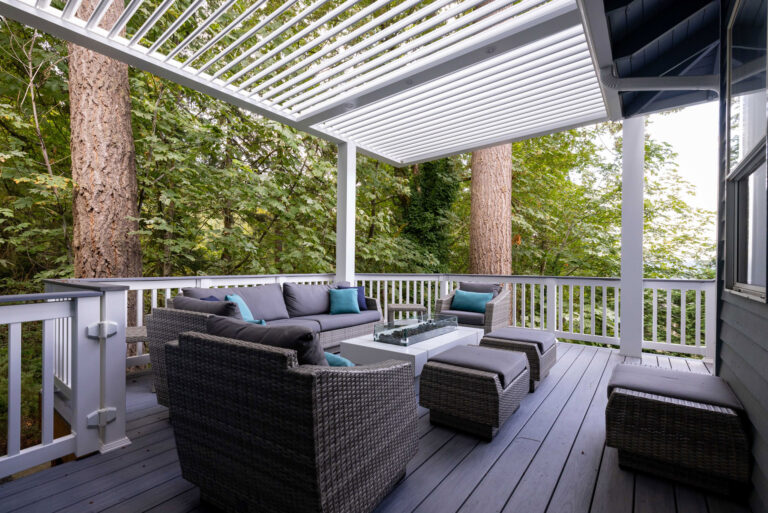
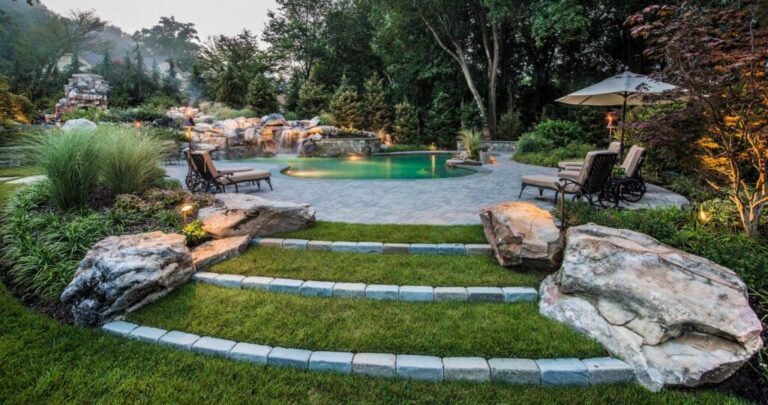
Landscaping is a holistic process that balances multiple elements. Plants are the core, chosen for their colors, textures, growth patterns, and compatibility with the climate. Hardscaping, including pathways, walls, patios, and decks, adds structure and defines different zones. Water features, lighting systems, and decorative accents provide additional layers of personality.
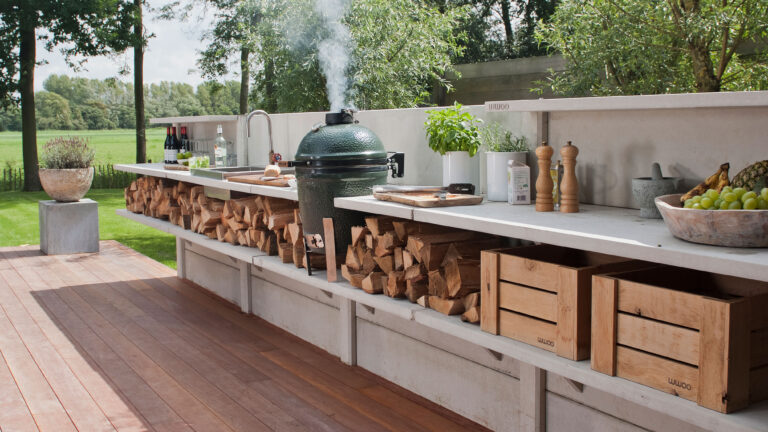
Equally important is the functionality of the space. Gardens can be designed to serve as outdoor dining areas, play zones for children, or serene meditation spots. Every design choice from soil preparation to material selection contributes to the overall success of the landscape.
Popular Styles of Garden Landscaping
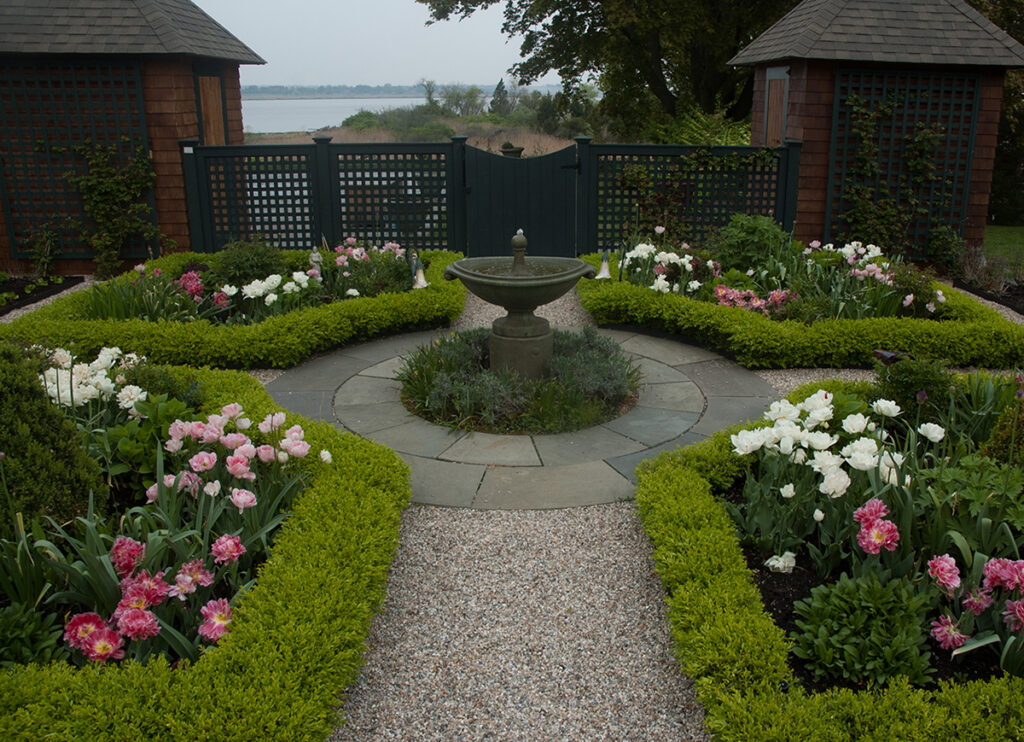
Formal Garden Layouts
Formal gardens emphasize symmetry, balance, and order. Typically, they feature straight pathways, neatly trimmed hedges, and geometric planting beds. Decorative elements like fountains or statues are often placed at focal points to draw the eye and reinforce the sense of structure.
This style works well for homeowners who prefer a polished, classic look. The downside is that it requires consistent upkeep, trimming hedges, maintaining sharp lines, and keeping symmetry intact. However, the elegance and timeless appeal make formal gardens an enduring choice.
Modern Minimalist Landscaping
Modern garden design leans toward simplicity and efficiency. Clean lines, open spaces, and restrained plant palettes dominate this style. Materials like concrete, steel, and glass are often combined with ornamental grasses or sculptural plants to achieve a sleek, contemporary feel.
These landscapes are popular in urban areas where space is limited but design is still prioritized. The minimalist approach reduces maintenance while maximizing impact, offering a stylish retreat with minimal clutter.
Naturalistic and Wild Gardens
Naturalistic gardens replicate the feel of wild, untamed landscapes. They rely heavily on native plants, irregular layouts, and ecological diversity. Rather than rigid structures, they use organic shapes and allow plants to grow more freely, creating a relaxed and immersive atmosphere.
This style has grown in popularity as homeowners seek sustainable solutions. Native plants attract pollinators, reduce irrigation needs, and thrive without chemical treatments. Wild gardens also promote biodiversity while providing a deep sense of connection to nature.
Real-World Examples of Garden Landscaping
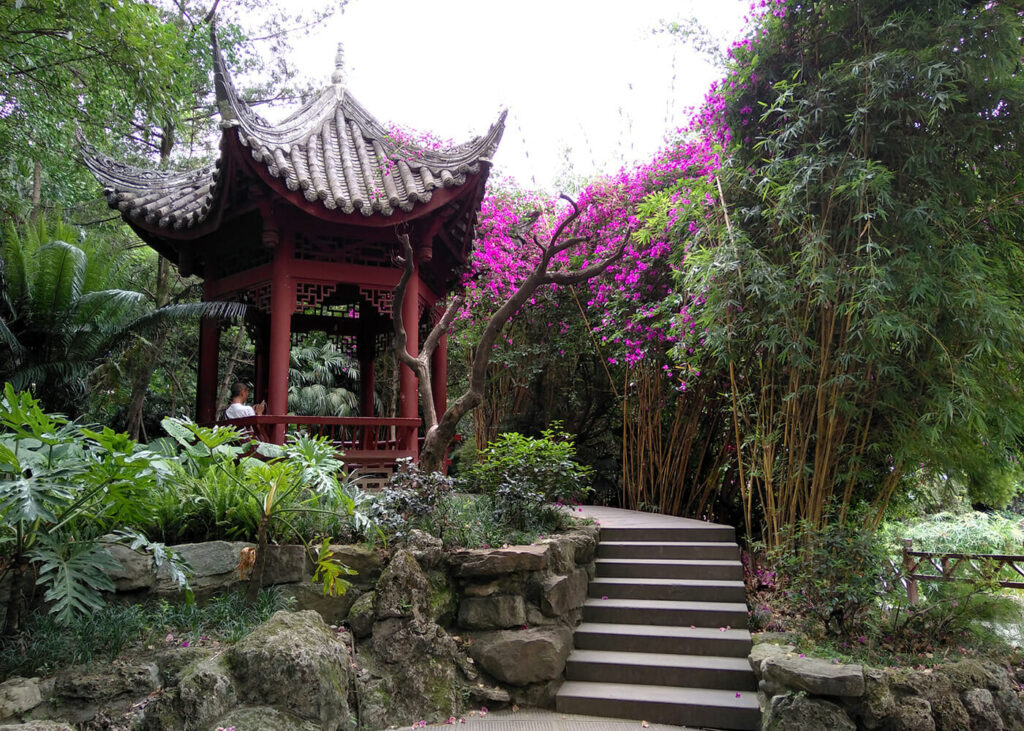
Example 1: Japanese Zen Garden
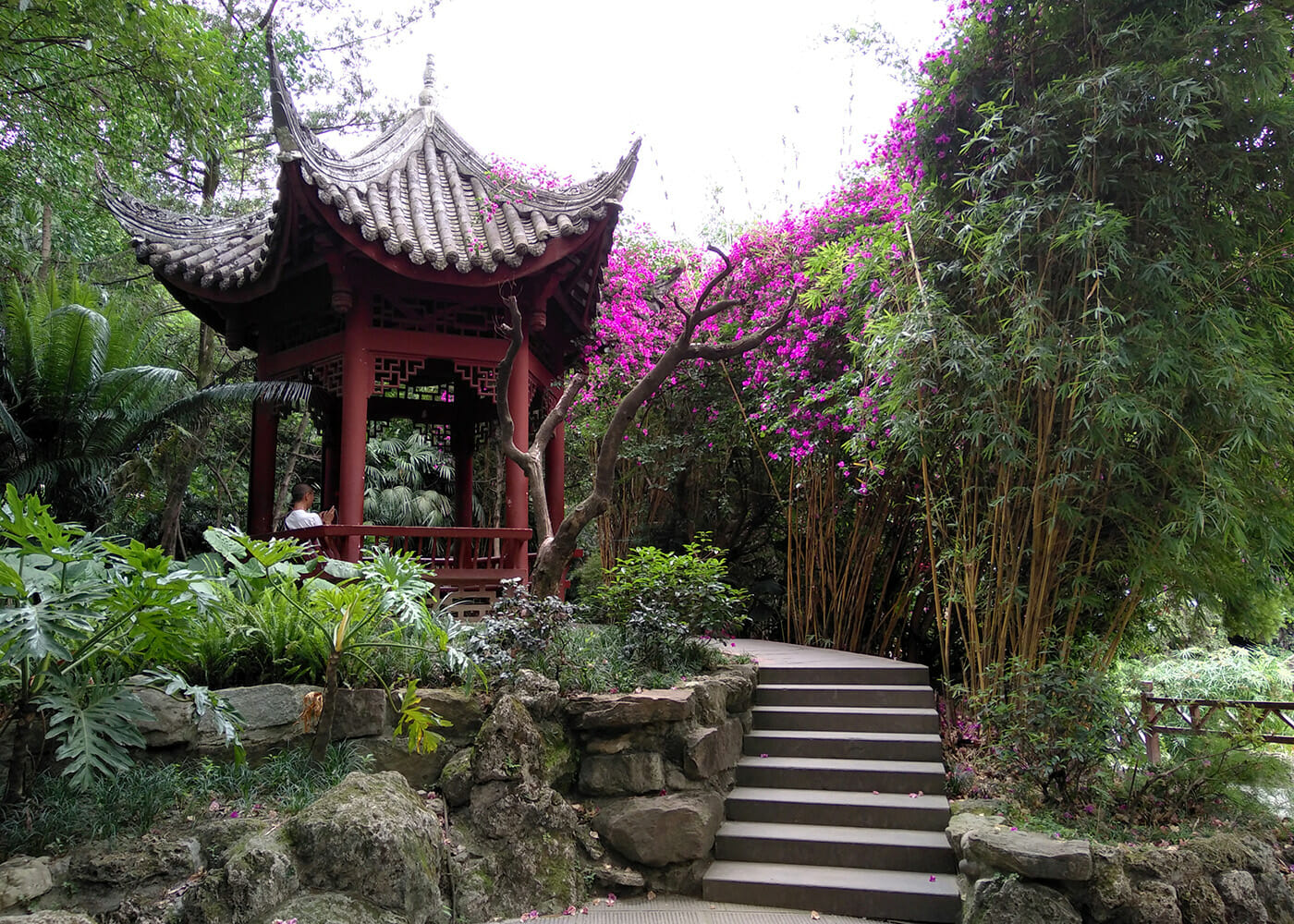
Japanese Zen gardens are a timeless example of landscaping built around simplicity and meditation. Featuring raked gravel, strategically placed stones, moss, and carefully pruned shrubs, these gardens embody balance and tranquility.
In practice, Zen gardens are often used as spaces for reflection or mindfulness. They require minimal plant maintenance, making them ideal for homeowners who value serenity without heavy upkeep. The design encourages calmness and provides a retreat from daily stress.
Example 2: Cottage-Style Flower Garden
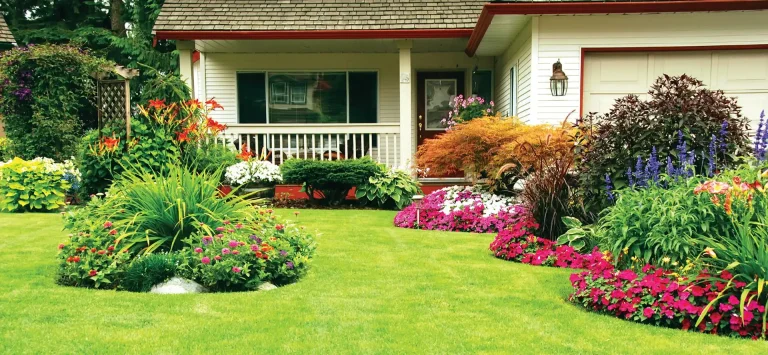
Cottage gardens embrace abundance, color, and informality. They typically include a mix of flowering perennials, climbing roses, herbs, and shrubs arranged in a layered, slightly unstructured way. The result is a lively and inviting outdoor space.
These gardens excel in attracting pollinators and providing year-round visual interest. For homeowners, they offer a cozy, homely vibe while encouraging hands-on gardening as a hobby. Each season brings new colors and scents, making the garden dynamic and ever-changing.
Example 3: Mediterranean Courtyard Garden
Mediterranean landscaping draws inspiration from southern Europe, with terracotta tiles, drought-tolerant plants like lavender, olive trees, and bougainvillea. Shaded seating areas and water features add to the charm.
This style is particularly relevant for regions with hot, dry climates. By using plants that require little irrigation, Mediterranean gardens combine beauty with sustainability. Their warm, earthy colors and fragrant plants create an inviting atmosphere for outdoor dining and entertaining.
Example 4: Vertical Urban Garden
Vertical gardens, or living walls, showcase innovation in landscaping. They use panels or modular systems to grow plants vertically, turning walls and fences into lush green features. These are especially useful in urban homes where ground space is scarce.
Vertical gardens improve air quality, provide insulation, and add visual impact to otherwise blank walls. They allow city dwellers to enjoy greenery despite limited space, making them a practical yet stylish solution.
Example 5: Desert-Inspired Xeriscape Garden
Xeriscaping is a landscaping method designed for arid climates. It uses drought-tolerant plants such as cacti, succulents, and ornamental grasses along with gravel or stone features to create a sustainable, low-water environment.
This type of garden is highly practical in water-scarce regions. It reduces irrigation costs and maintenance while still delivering unique visual interest. The sculptural qualities of succulents and the use of natural stone create a striking, modern aesthetic.
Benefits of Garden Landscaping
Garden landscaping delivers a broad range of benefits. On a practical level, it enhances property value, improves curb appeal, and creates additional outdoor living areas. A landscaped garden often becomes a natural gathering point for family events, barbecues, or quiet relaxation.
From an environmental perspective, landscaping contributes to biodiversity and better ecosystem health. Using native plants reduces the need for fertilizers and pesticides, supports pollinators, and promotes soil stability. Landscaped gardens also help filter rainwater, reducing runoff and erosion.
Well-being is another important benefit. Spending time in landscaped environments reduces stress, supports mental health, and encourages physical activity. A thoughtfully designed garden is not just a visual asset but also a lifestyle enhancer.
The Role of Technology in Garden Landscaping
Modern technology has transformed landscaping practices, making design and maintenance easier and more efficient. Smart irrigation systems, for instance, automatically adjust watering schedules based on soil moisture and weather forecasts, ensuring plants get the right amount of water without waste.
Lighting technology has also advanced, with solar-powered LED systems providing energy-efficient illumination that enhances safety and ambiance. Design software allows homeowners to preview landscaping concepts digitally before implementation, reducing trial-and-error mistakes. Drones, meanwhile, help survey large properties quickly and accurately, aiding in precise planning.
These technologies save time, conserve resources, and improve the overall outcome of landscaping projects. By merging tradition with innovation, modern garden landscapes are more sustainable and easier to maintain than ever before.
Practical Use Cases of Garden Landscaping
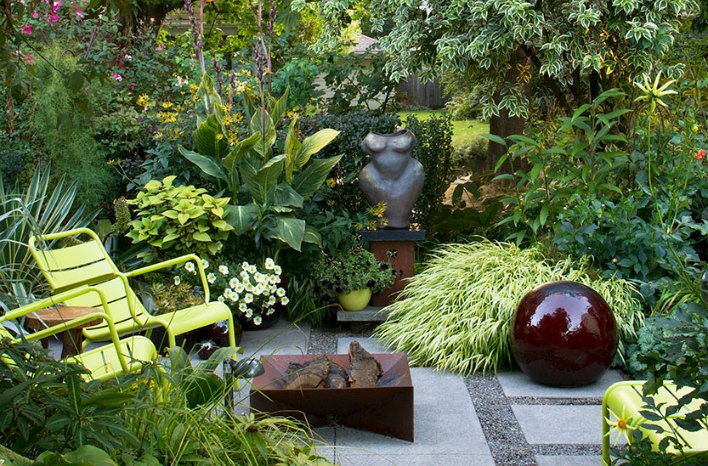
Garden landscaping solves multiple challenges in real-world settings. For small urban homes, it provides greenery and outdoor space without requiring large plots of land. Vertical gardens, rooftop designs, or container-based layouts help maximize limited areas.
For families with children, landscaping can integrate safe play zones alongside decorative features, blending functionality with beauty. In hotter climates, shaded areas with drought-tolerant plants provide cooling and reduce reliance on air conditioning. Conversely, in colder regions, sheltered designs and evergreen planting ensure the garden remains appealing year-round.
In addition, landscaping supports community building. Shared garden spaces in residential developments encourage social interaction and foster a sense of belonging. Landscaping is not just about beauty; it creates environments that solve practical problems and enrich daily living.
Frequently Asked Questions
1. What is the most sustainable approach to garden landscaping?
The most sustainable approach is to use native plants, reduce water usage with smart irrigation or xeriscaping, and avoid chemical fertilizers. These practices support biodiversity, conserve resources, and ensure long-term garden health.
2. How do I choose the right style for my garden?
The best style depends on your space, climate, and lifestyle. For example, a minimalist garden suits busy homeowners who prefer low maintenance, while a cottage garden is ideal for those who enjoy active gardening and seasonal color.
3. Does garden landscaping always require professional help?
Not always. Small projects can be managed independently with careful research and planning. However, professionals are valuable for complex designs that involve grading, drainage, or large-scale plantings. Their expertise can prevent costly mistakes and deliver polished results.